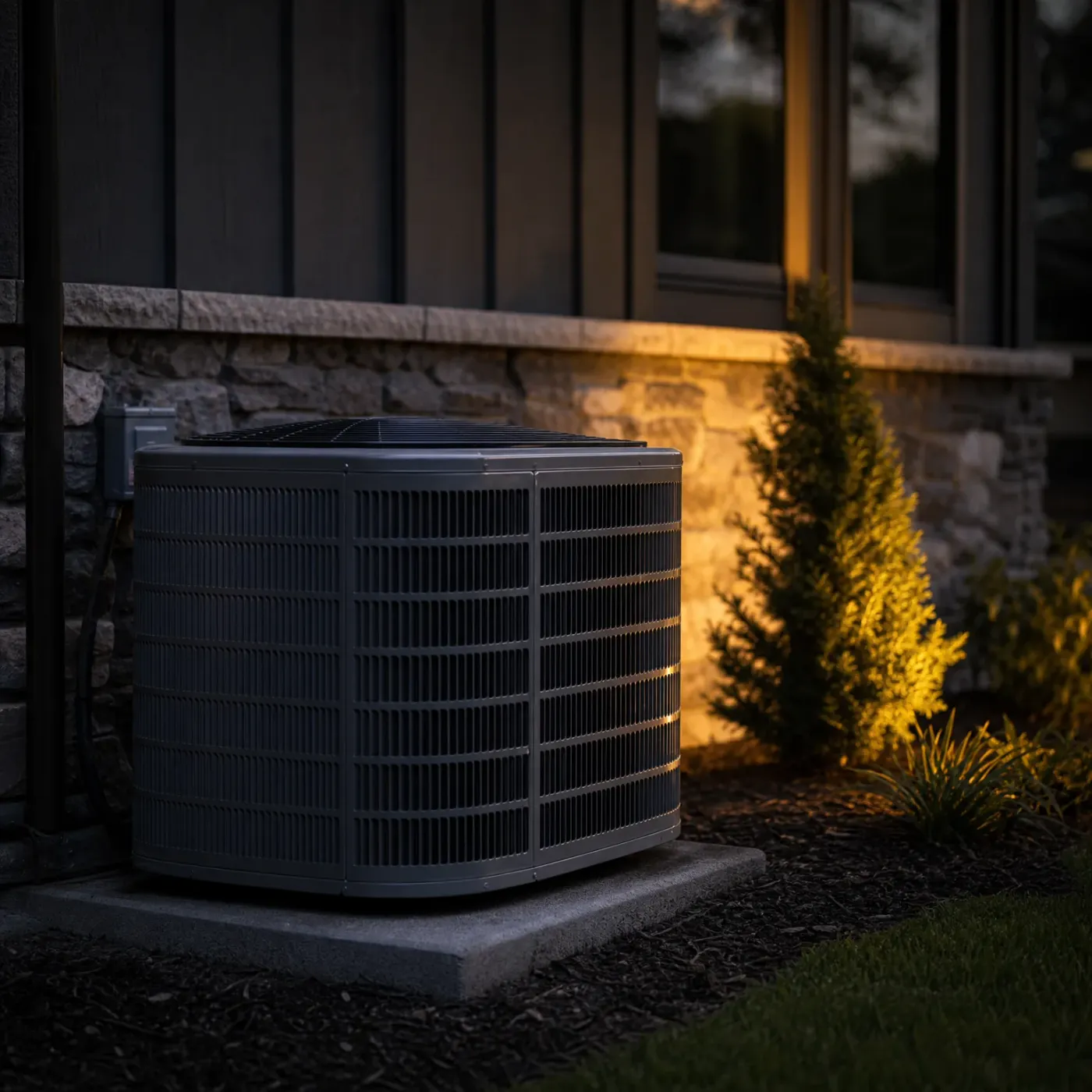



An outdoor air conditioning condenser unit on a concrete pad beside a house with stone veneer and vertical board siding, with a small shrub and mulch bed lit by a ground light at dusk.

The right pro for this job

Do you need a dehumidifier with AC in Mississippi

Your AC cools the air but a Mississippi summer still leaves things feeling damp, and you're wondering if the unit should be doing more. This page gets into what a dehumidifier adds that your AC alone doesn't, and when one is worth installing alongside it. Answer a few questions and a contractor who handles this in your area will reach out, so you skip the search and the back and forth.

Match me with a pro

Most of the time, yes. Your air conditioner takes moisture out of the air as a side effect of cooling, but that's not its main job, and on a muggy Mississippi day it often can't keep up. Once the house feels cool enough, the AC shuts off, even though the air inside is still damp. A dehumidifier works differently. It pulls moisture out of the air on its own schedule, not tied to the thermostat, so the house stays dry even when the AC isn't running much. That matters here because high humidity makes a room feel warmer than the thermostat says, pushes mold and mildew to grow faster, and leaves wood floors, furniture and musty closets worse for it over a long summer. If your house holds onto damp air after the AC cycles off, or certain rooms always feel sticky, a dehumidifier installed alongside your system is doing a job your AC was never built to finish.

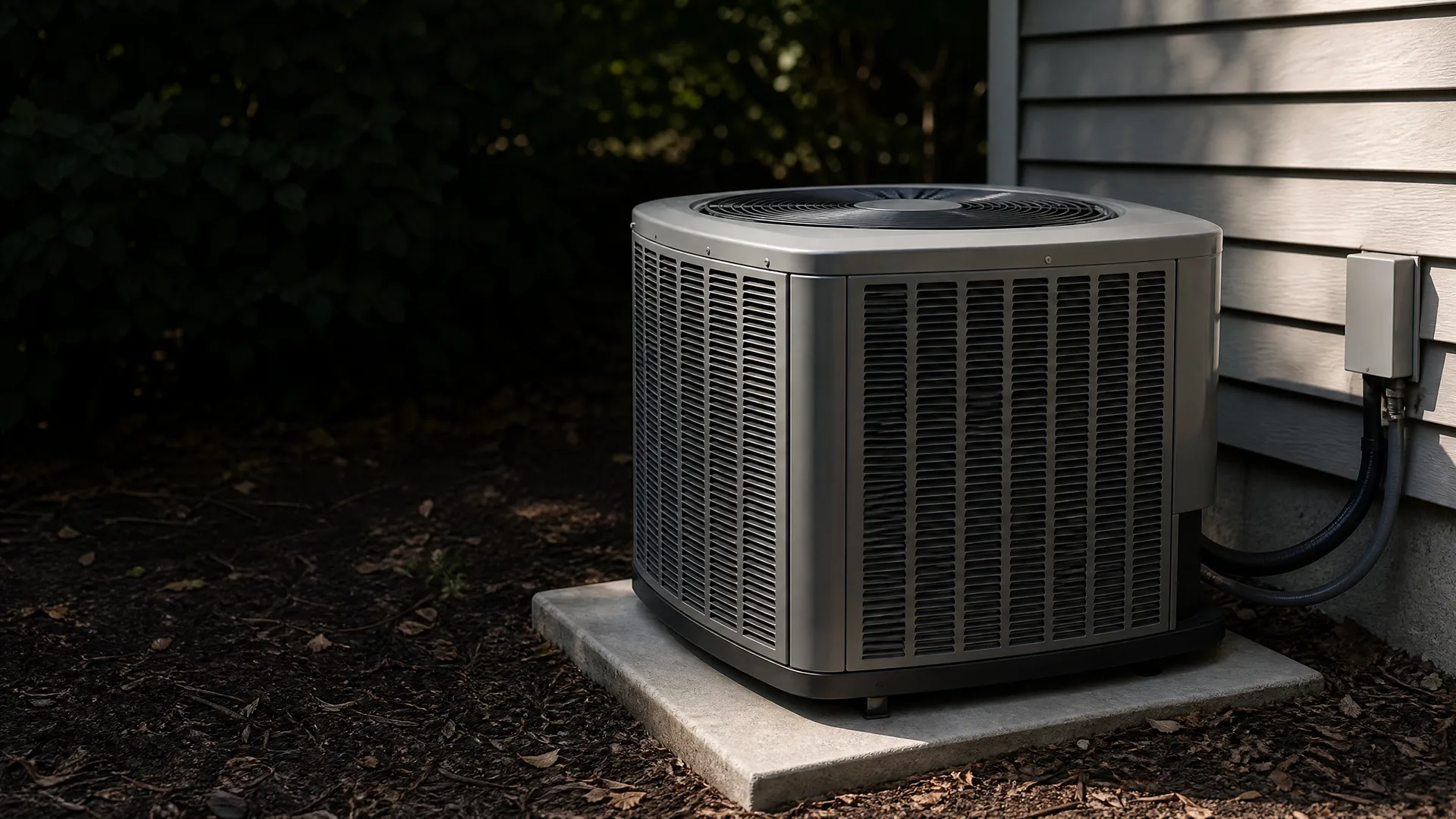
An outdoor air conditioning condenser unit on a concrete pad beside a house with horizontal lap siding, with an electrical disconnect box and conduit on the wall and a green shrub to the right.
An AC sized and running right pulls steady moisture out of the air alongside the cooling, so the house feels dry as well as cool.
An outdoor air conditioner condenser unit on a concrete pad beside a house with horizontal siding and a lower concrete foundation wall, with coiled refrigerant lines at right.
An AC left to struggle against Mississippi humidity cycles on and off without ever pulling enough moisture out, so the air stays damp.

AC Alone or Add a Dehumidifier

AC Alone

  • Your AC only pulls moisture while it's actively cooling, so once the thermostat is satisfied, the dehumidifying stops too.
  • On a mild day when the AC barely runs, the air can still feel sticky even though the temperature reads fine.
  • A unit sized to cool the square footage can short-cycle in heavy humidity, shutting off before it's removed much water from the air.
  • You're relying on one setting to handle two different jobs, and in a Mississippi summer that's asking a lot of one machine.
  • Rooms farthest from the thermostat or with less airflow can stay damp even while the rest of the house feels comfortable.

AC Plus Dehumidifier

  • A dehumidifier keeps pulling moisture out of the air even when the AC isn't calling for cooling, so humidity doesn't creep back up between cycles.
  • You can set the indoor humidity level directly instead of hoping the AC's cooling cycles happen to keep up with it.
  • The AC isn't working as hard to chase comfort through temperature alone, since the dehumidifier is handling the moisture side.
  • A whole-home unit tied into your ductwork covers rooms the AC's airflow doesn't reach as evenly.
  • It adds another piece of equipment to install and maintain, which is worth weighing against how damp your house actually gets.
A gray outdoor air conditioning condenser unit on a concrete pad beside a house with horizontal lap siding, with a wall-mounted electrical disconnect box and refrigerant lines, shrubs, mulch and lawn around it.

AC Running Clean

A condenser kept clear of leaves and clipped grass moves air the way it was built to. The coils stay cool enough to pull steady moisture out of your house along with the heat, so a Mississippi afternoon doesn't leave the air feeling thick once the temperature drops.


An outdoor air conditioner condenser unit on a concrete pad beside a house wall with stucco lower section, horizontal siding above, and a white downspout to the right.

AC Choked and Neglected

Dirt packed into the fins blocks airflow, so the coils run warmer and pull less water out of the air even while they keep cooling. The unit cycles longer to hit the same temperature, and the house can still feel damp no matter how low the thermostat is set.

Does your house feel damp even when it's cool?

Walk through the house after the AC has run all afternoon. If the air still feels thick, if towels take longer to dry, if windows fog up or bedsheets feel damp at night, the AC is cooling the air without pulling enough moisture out of it. You might notice a musty smell in closets or the bathroom, or condensation beading on cold drinks and window glass. Left alone through a Mississippi summer, that extra moisture gives mold and mildew what they need to take hold on walls, baseboards and furniture, and it can warp wood trim or doors over time. None of that means the AC is broken. It means the air in your house is carrying more water than the unit is removing.

A gray-haired, bearded man in a dark coat dusted with snow stands smiling in a dimly lit room with a lamp, mirror, framed art, and a sofa in the background.
An older man with white hair and a beard, wearing a dark snow-dusted coat and scarf, stands in a warmly lit interior hallway with a framed landscape picture, a table lamp and a potted plant behind him, and a snowy view through a window at left.
An older man in a dark snow-flecked overcoat and scarf stands smiling in a warmly lit home entryway, with a glass-paned door showing darkness outside and a lamp-lit room visible through a doorway behind him.
An older man with gray hair and a beard, wearing a dark snow-dusted jacket and scarf, stands smiling in a warmly lit interior hallway with a lit table lamp, a vase of dried branches, and a framed picture in the background.

Matched to your air conditioner job

Skip collecting and comparing quotes for the new air conditioner.

Asking costs nothing, and the choice to hire stays yours.

An AC cools by running its coil cold enough to pull heat out of the air. Moisture only drops out of that air when it touches the coil, so dehumidifying happens only while the compressor is running.

A dehumidifier runs on its own schedule, not tied to the thermostat, so it keeps pulling water out of the air even on a day mild enough that your AC barely turns on.

An outdoor air conditioning condenser unit on a concrete pad beside a house with light vinyl siding, with electrical conduit running to a wall-mounted disconnect box and a shrub in mulch to the right.
Before you get your air conditioner installation
A gray outdoor air conditioning condenser unit on a composite pad beside a house with horizontal lap siding, with a wall-mounted disconnect box, refrigerant lines, and a wooden fence and shrubs to the left.
After you get your air conditioner installation

AC Alone

You skip the extra install and extra cost. On a sticky Mississippi afternoon, the house may still feel damp even once the thermostat reads satisfied.

Answer a few questions

AC Plus a Dehumidifier

You add equipment and an install to plan for. The house keeps pulling moisture even when the AC isn't running, so the air stays dry on mild days too.

Answer a few questions

Power costs 14.03 cents per kilowatt-hour statewide

At 14.03 cents per kilowatt-hour, running your AC longer to chase humidity costs more than most homeowners expect. A dehumidifier pulls moisture on its own schedule, so your AC isn't stuck overcooling the house just to dry it out.

EIA-861 2025 statewide residential average

A gray outdoor air conditioning condenser unit sits on a concrete pad beside a house with horizontal siding, connected by insulated lines to a wall-mounted disconnect box, with a shrub and gravel bed to the right.

Clear coils, steady airflow

This condenser sits clean on its pad, lines and conduit running straight to the disconnect. Air moves through the fins the way the unit was built to move it, so the coil runs cold enough to pull moisture out of your house along with the heat.

An outdoor air conditioning condenser unit sits on a concrete pad beside a house with horizontal vinyl siding, with a gray electrical disconnect box and insulated refrigerant line on the wall above, surrounded by bare mulched ground.

Caked coil, weaker pull

Dirt has built up across these fins, and that film works against the coil before the compressor ever struggles. A coil that can't stay cold enough cools the air some but stops pulling moisture out of it, which is how a Mississippi house ends up feeling damp even with the AC running.

How does a dehumidifier actually work with my AC?

You already know your AC cools the air without really drying it out, but it helps to know what a dehumidifier is doing in plain mechanical terms before you decide whether to add one. You want to know where it sits in the system and what it's actually doing while your AC runs.

It runs in parallel, pulling moist air across its own cold coil and draining the water off before the air goes back into the house

A whole-home dehumidifier usually ties into your ductwork, often near the return side, so it can pull air, strip the moisture, and send it back out through the same ducts your AC uses. It has its own coil and its own compressor, separate from your AC's, and its own humidistat. That's why it can run on a humid but mild Mississippi day when your AC barely kicks on. Water it pulls out drains away through a condensate line, the same way your AC's does. Your AC still handles the temperature. The dehumidifier's job is only the moisture, working on its own schedule instead of waiting for the thermostat to call for cooling.

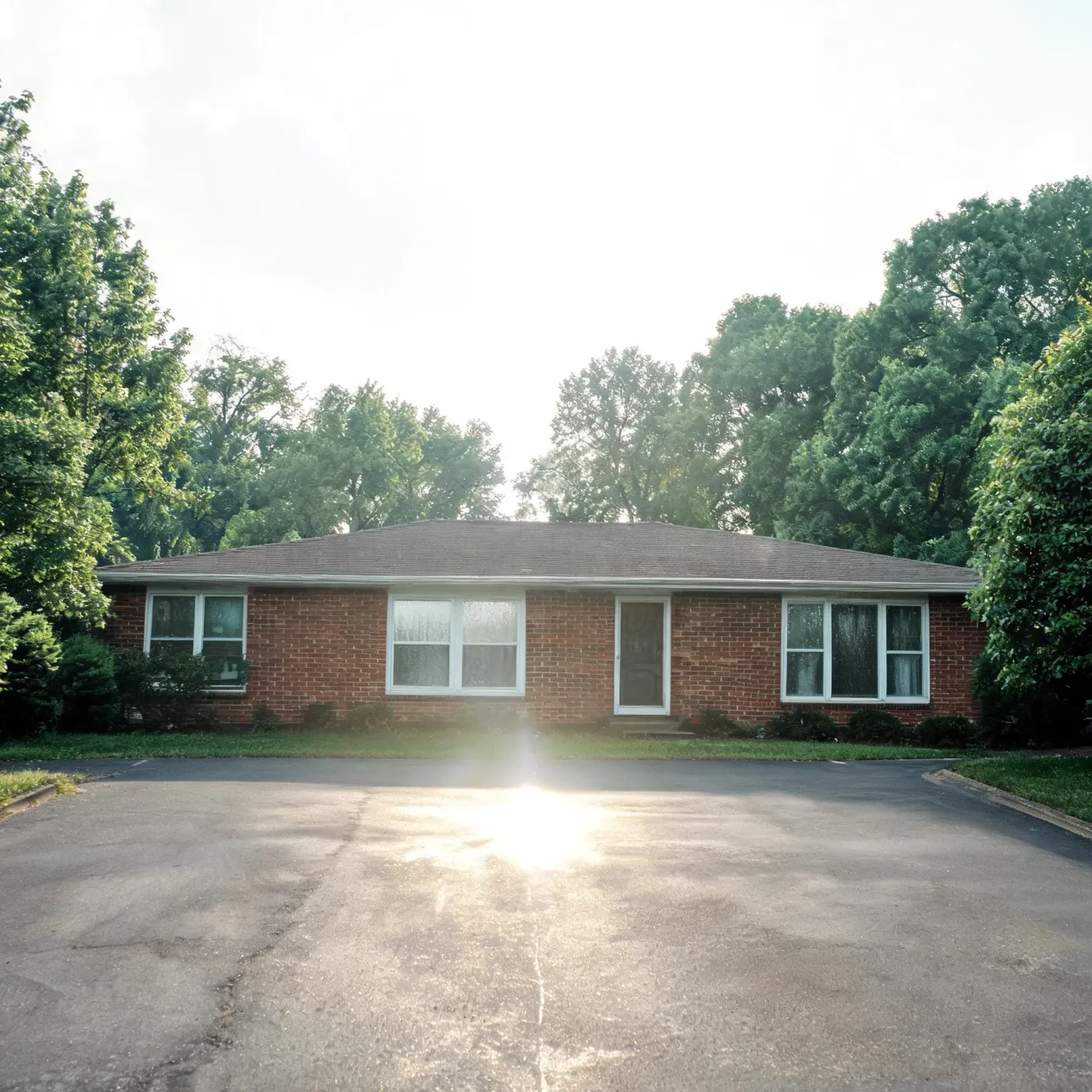
A single-story red brick ranch house with a low shingled roof, white-framed windows and a central door, fronted by a large asphalt parking area with sun glare, surrounded by leafy green trees.

The National Weather Service puts the average summer dew point across Mississippi at 70°F for June, July and August. That's the number that tells you how the air actually feels, not just the temperature on the thermostat. Above 65°F, most people start to notice the air as sticky, and 70°F sits well past that line. Your AC is cooling the house against that kind of air all summer. It's pulling some moisture out while it runs, but the coil can only do so much before the thermostat calls it satisfied and shuts the compressor off. The air outside doesn't let up, so the dampness you feel indoors often doesn't either.

NASA POWER T2MDEW county cells weighted by homes

A woman wrapped in a thick beige fleece blanket sits on a sofa with an open book on her lap, beside a lit table lamp, with a frost-covered window behind her.
A smiling older woman with gray hair in a cream knit sweater stands in a dimly lit kitchen beside a window showing snow outside, with a round loaf of bread on the counter in the foreground.

Where That Leaves You

  • Your AC alone can cool a Mississippi house below 70°F dew point without ever drying the air to match.
  • A dehumidifier installed alongside your AC runs on its own schedule, so moisture gets pulled even when the thermostat is satisfied.
  • The decision comes down to whether your house still feels damp, sticky or musty after the AC has run all afternoon.
  • Skipping a dehumidifier costs you nothing upfront, but running the AC longer to chase humidity shows up on your power bill.
  • Instead of calling around and explaining your situation to one contractor after another, you can get matched with one who installs dehumidifiers alongside AC systems in Mississippi homes.
  • That match means you compare what one contractor tells you against your own walk-through of the house, not against a stack of quotes you had to gather yourself.

Your AC and a dehumidifier do different jobs. The AC cools the air and pulls some moisture out as a side effect, but only while it's running. A dehumidifier works on its own schedule, so it keeps pulling moisture after the thermostat is satisfied and the AC shuts off. That difference is what decides whether you need both. Walk through your house after the AC has run all afternoon. If it still feels damp, if the air feels thick, if you notice it even with the temperature reading fine, the AC isn't getting the job done alone. If the house feels dry as well as cool, it is. There's no cost to skipping a dehumidizer today, but a house that stays muggy pushes you to run the AC longer and lower just to feel comfortable, and that shows up on a power bill at 14.03 cents per kilowatt-hour. Mississippi summers push dew points to 70°F on average, well past where most people start to notice the air feels heavy, so this isn't a small concern for a few weeks a year. Once you've made the call, the next step is finding someone who installs dehumidifiers alongside AC systems in homes like yours, rather than ringing up one contractor after another and repeating the same walk-through each time. A match puts a contractor's read on your house next to the one you already did yourself, instead of a pile of quotes you had to chase down on your own.

An outdoor air conditioner condenser unit on a concrete pad beside a house with horizontal lap siding, with an electrical disconnect box and conduit on the wall and dark mulch and shrubs around it.

A local pro for your air conditioner installation

Step 1 of 3: Equipment