

A unit that can breathe
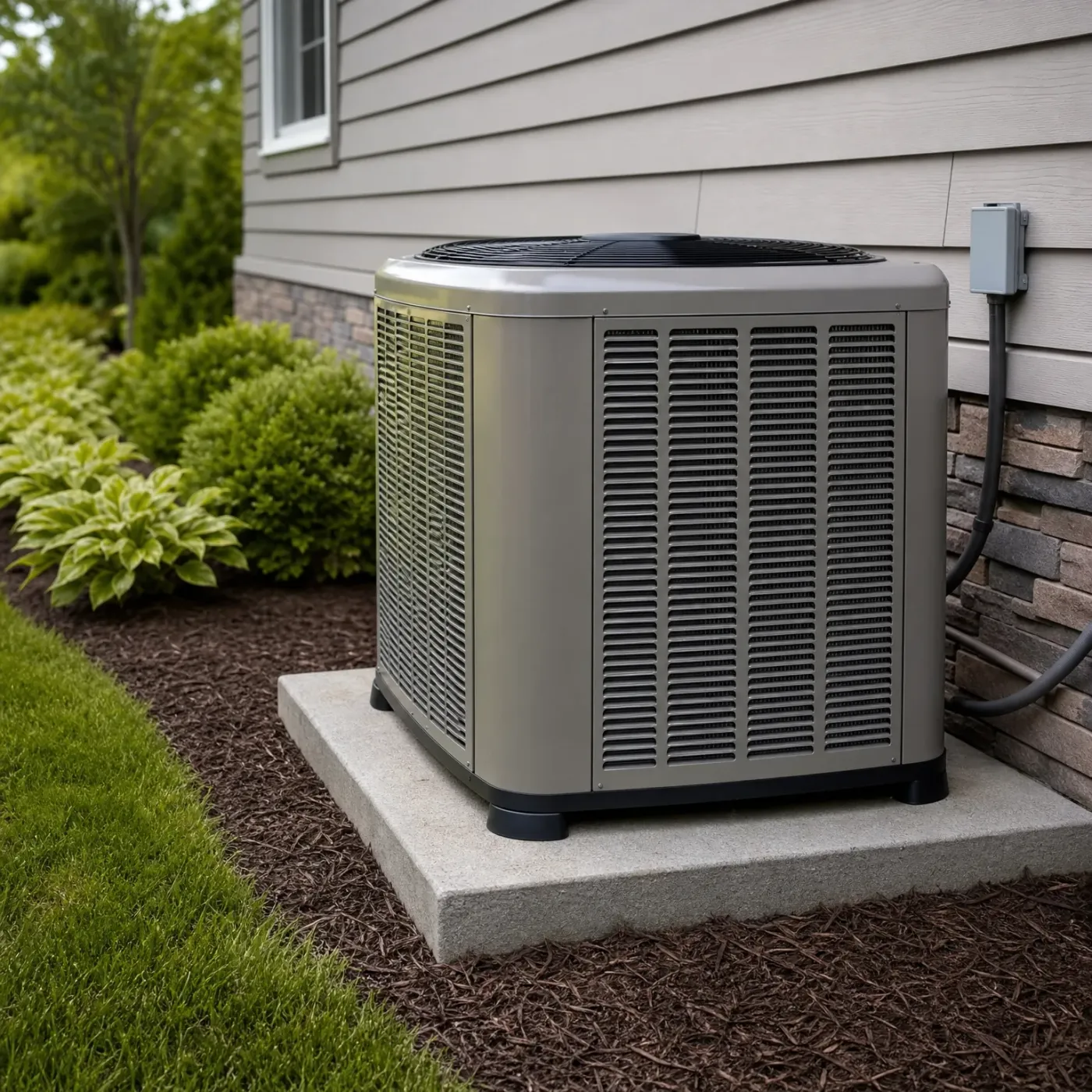
This condenser has clear space around it and clean louvers. Air passes through the coil and the heat gets carried off outside, so the system can keep up even when it's running most of the afternoon.
When your AC runs but the air coming out isn't cold, the most common cause is low refrigerant from a leak, or a dirty outdoor coil that can't shed heat the way it needs to. Southaven summers run long and muggy, and a system that's low on refrigerant or fighting a clogged coil has to work harder for less cooling, which is often how homeowners first notice the problem, on the hottest, most humid afternoons. A frozen evaporator coil is another common culprit, usually caused by restricted airflow from a dirty filter or a refrigerant problem, and it can leave the system blowing warm air even though it sounds like it's running fine. Sometimes it's simpler, a failed capacitor or a tripped breaker keeping the outdoor unit from running at all. Whatever the cause, a system that isn't cooling needs a licensed technician to find out which of these it is and fix it before the heat and humidity make it worse.




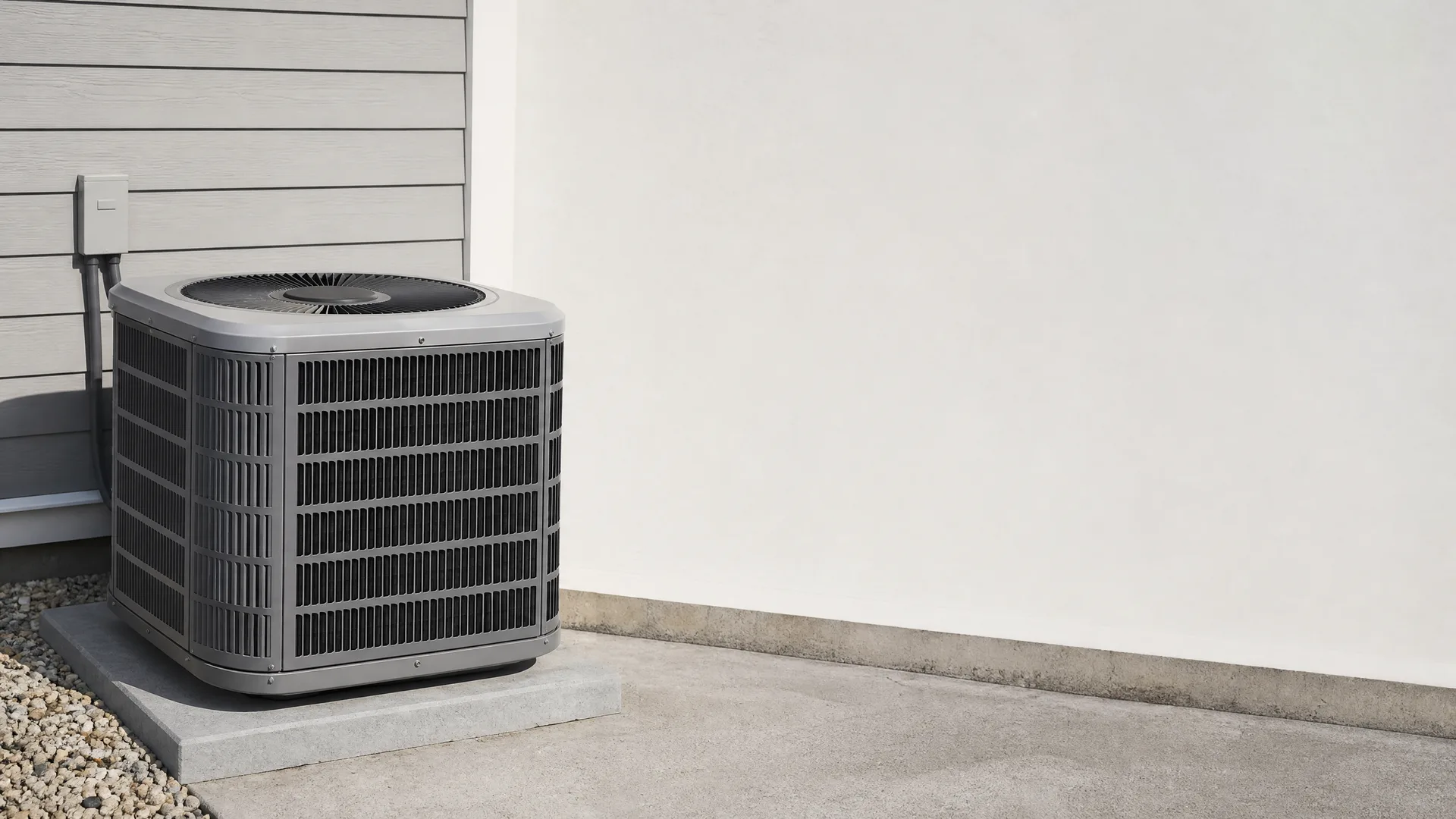
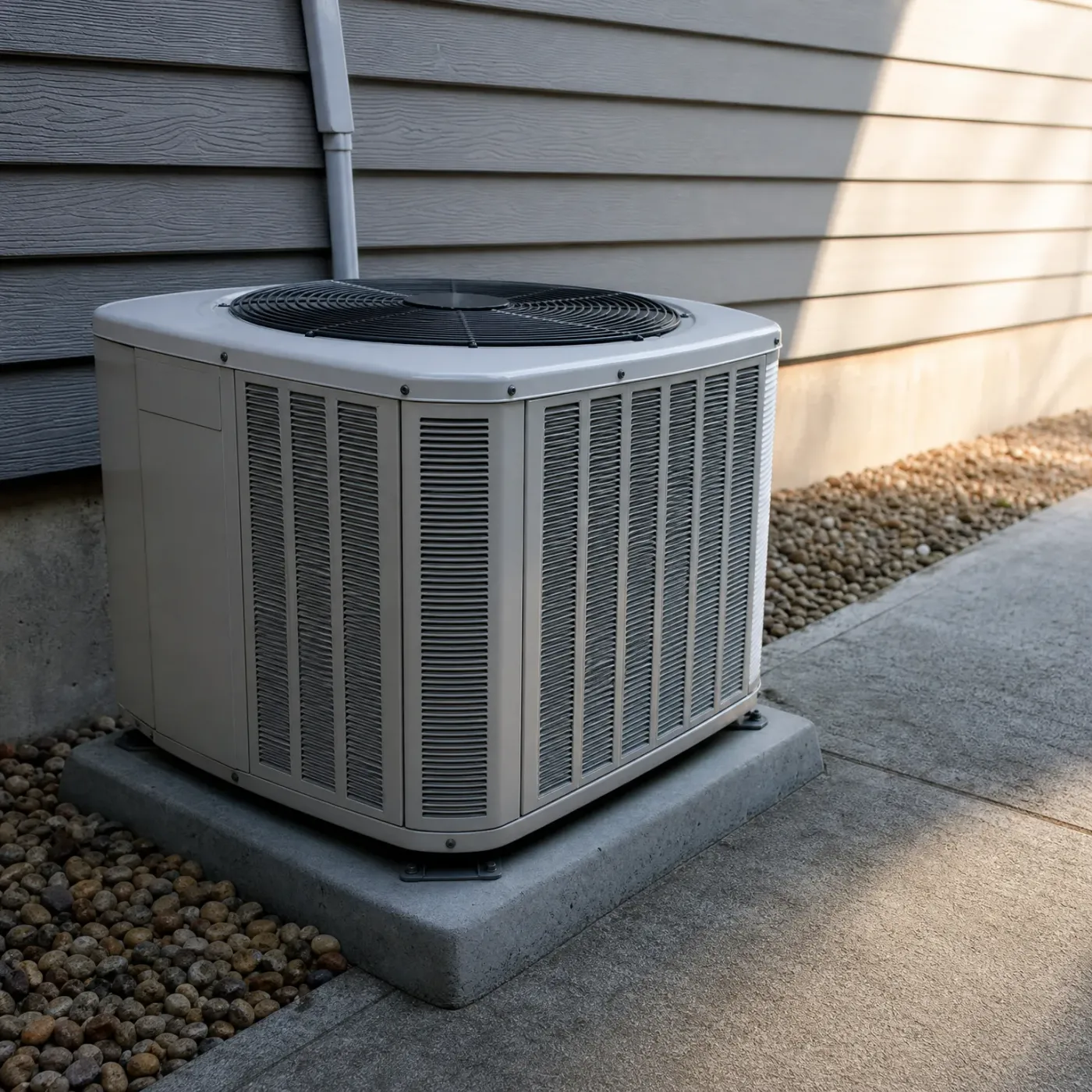
The outdoor unit's job is to dump the heat your house collects into the air outside. Its coil needs airflow through it to do that. When it's packed with cottonwood, grass clippings or pollen, the unit can't shed heat fast enough, and the refrigerant inside stays hotter than it should. That shows up inside as air that's barely cool, even though the system is running the whole time.
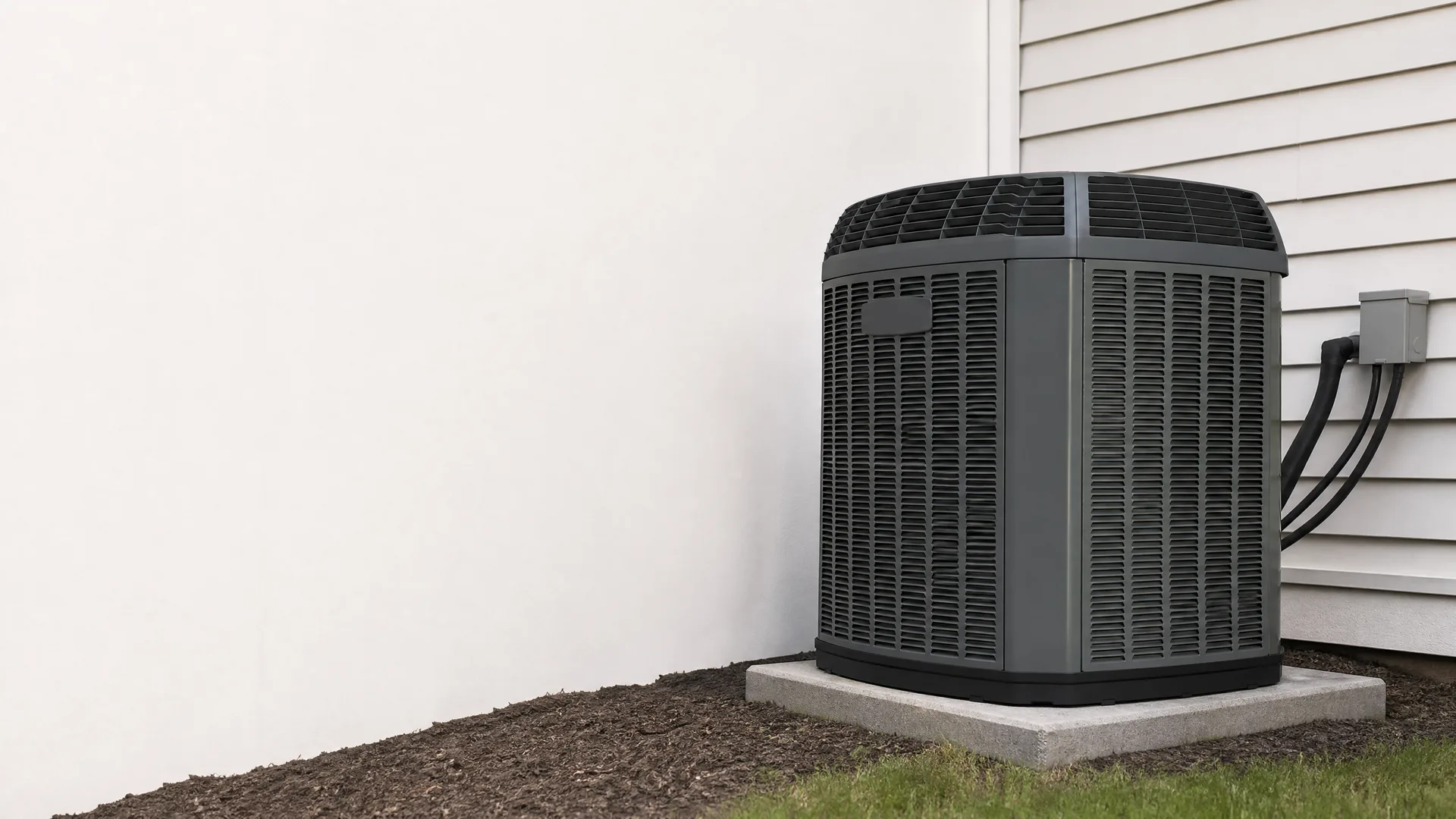
Refrigerant doesn't get used up. A system that's low on it has a leak somewhere in the line set or coil, and a small leak today is a bigger one in a few weeks. Running the compressor on a low charge for days at a time, through a DeSoto County summer, wears on the compressor itself. That's a part that's expensive to replace and isn't covered the way a leak repair is.
Why does my AC blow warm air during the hottest part of the day?
Your system is sized to keep up with a certain amount of heat coming into the house. When it's 95 degrees outside and the sun's been hitting the roof for hours, that load goes up, and any weakness in the system shows up right then. A unit that's a few pounds low on refrigerant might keep the house close to comfortable at 80 degrees outside and fall behind once it hits the afternoon peak. The compressor is running flat out, the outdoor coil is trying to shed heat into already-hot air, and there's less margin for anything to go wrong. By evening, as the outdoor temperature drops, the same system may seem to catch up. That's not the problem fixing itself. It's the load easing off.
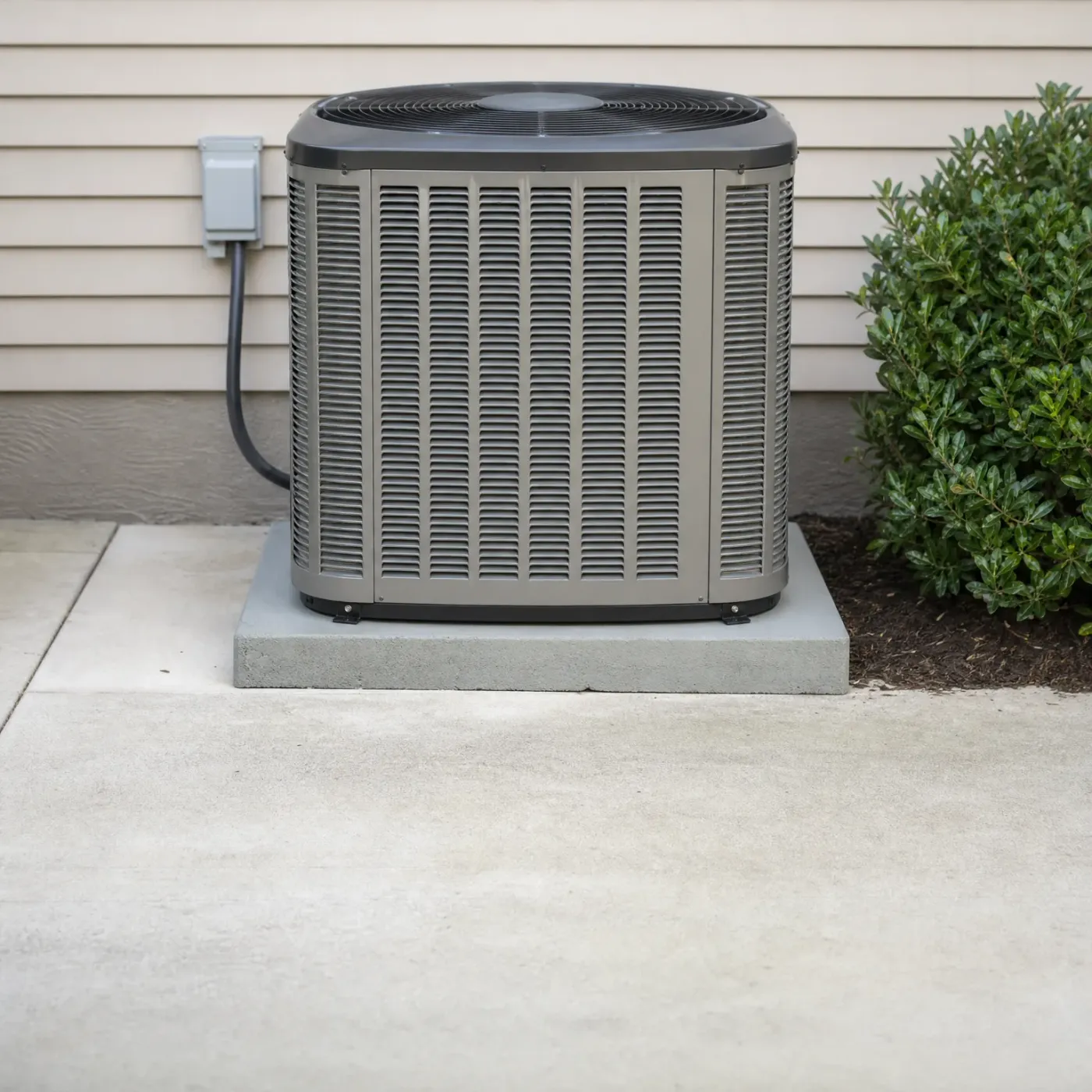
This condenser has clear space around it and clean louvers. Air passes through the coil and the heat gets carried off outside, so the system can keep up even when it's running most of the afternoon.
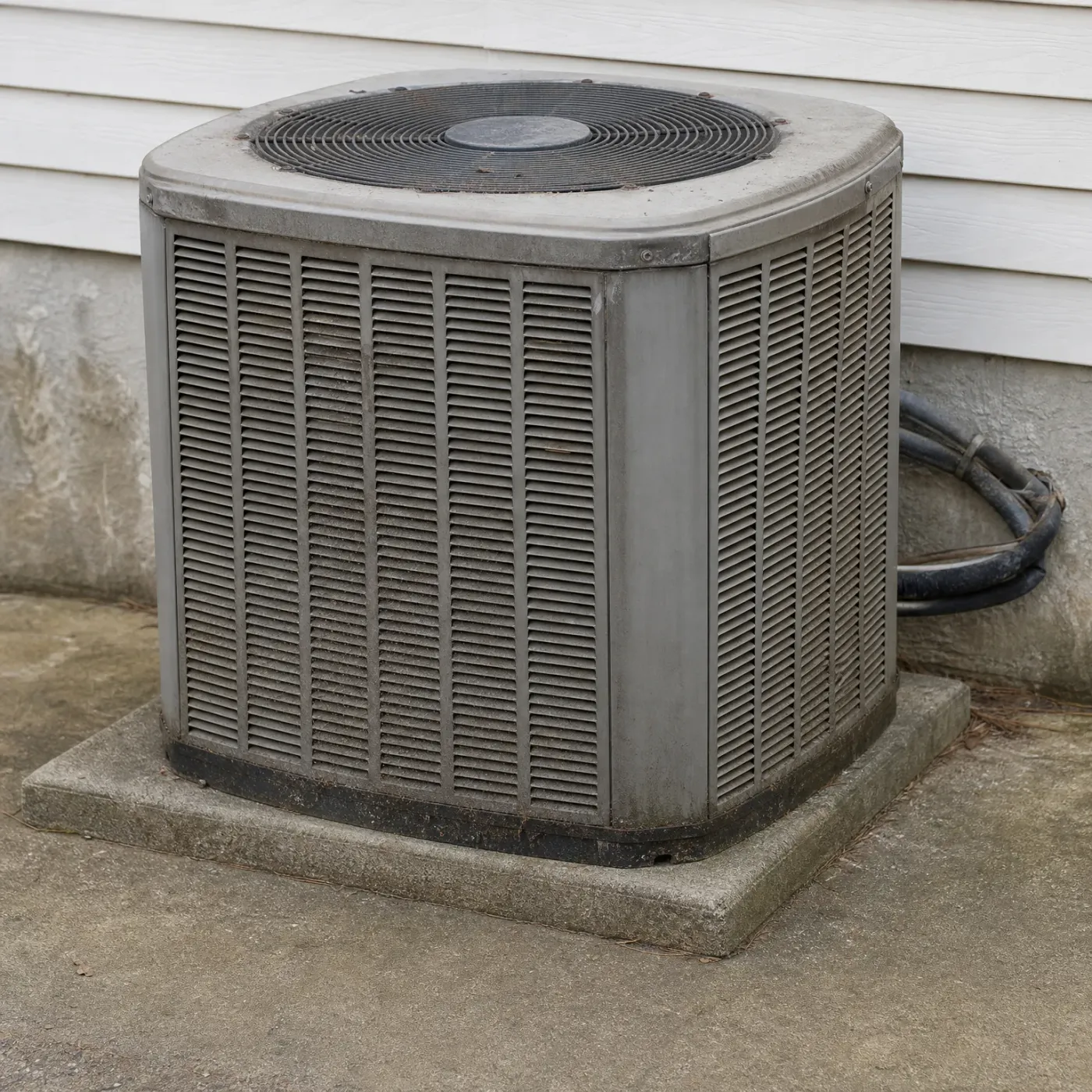
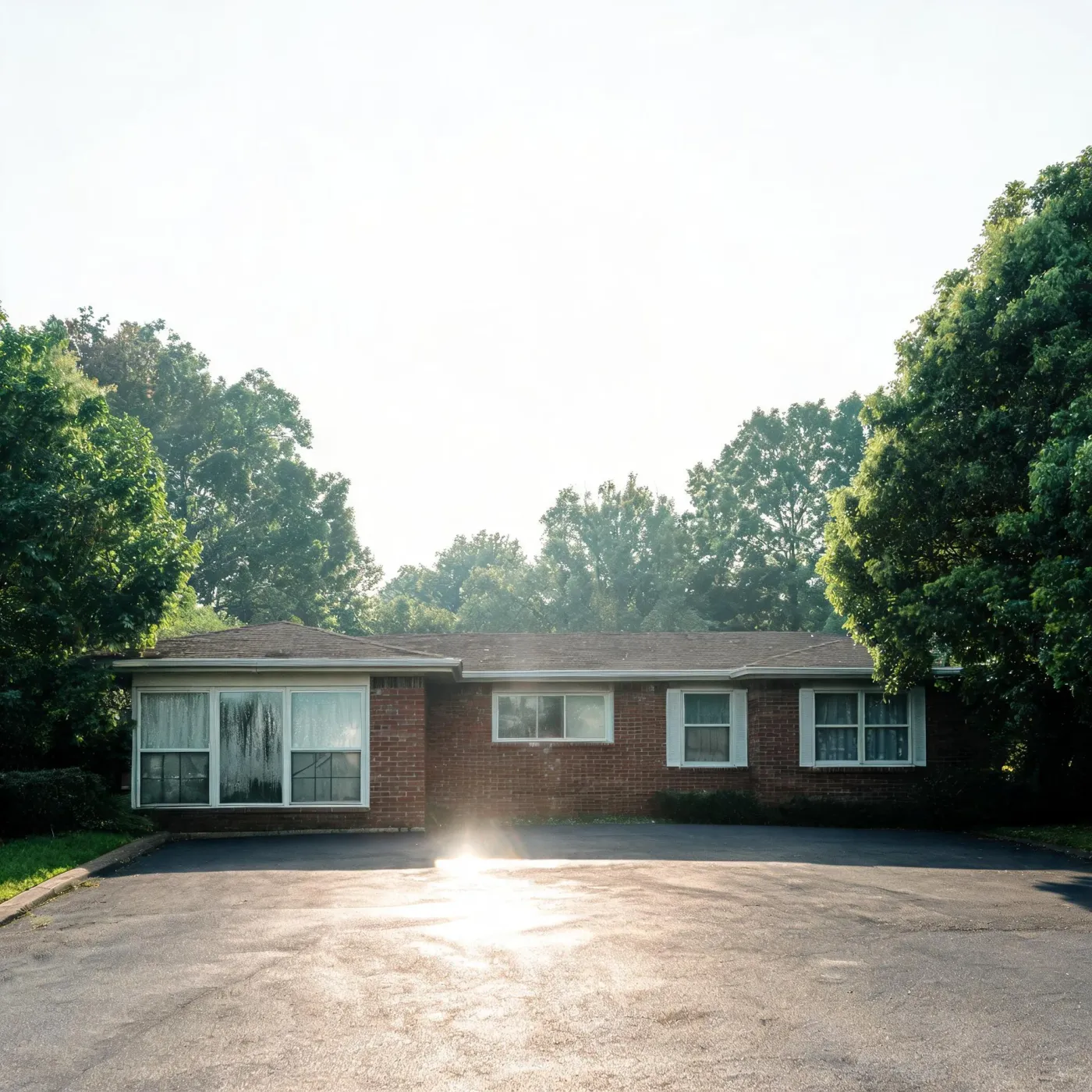
Dirt and weathering have built up across the louvered panels and the fan grille. With the coil caked like this, the unit can't push heat outside fast enough, and the air inside stops getting cold even though the system keeps running.
The thermostat might say 72, but the air at the vent feels closer to room temperature. You've probably bumped the setting down a few degrees, hoping it catches up. Upstairs rooms are likely worse than downstairs. The outdoor unit may be running constantly, never cycling off, and the indoor coil could be icing over if it's been low on refrigerant a while. Left alone through a Southaven summer, the compressor is doing more work than it's built for, and that kind of strain is what turns a repair into a replacement. Meanwhile the house stays warm, the humidity stays up, and the electric bill keeps climbing for a system that isn't even cooling you.
Refrigerant absorbs heat from the air moving across the indoor coil.
The compressor pressurizes that refrigerant and sends it outside.
The outdoor coil releases the heat into the outside air.
Cooled refrigerant returns inside to absorb heat again.


After you send the request, you're done searching.
Get matched with a pro who fixes air conditioners in DeSoto County.
You only hire the pro if you want to.


DeSoto County summers hold a dew point around 68°F on average through June, July and August, according to NOAA climate data. That's heavy air for a coil to work against. Your indoor coil pulls moisture out of that air as it cools it, and the wetter the air, the more work that is before the house even starts to feel colder. On a day like that, a system low on refrigerant or fighting a dirty coil falls behind fast and stays behind, and the air at the vent stops feeling cold well before the thermostat says the house is comfortable.
NASA POWER T2MDEW


Sometimes the outdoor unit isn't dirty, it's frozen. A thin coat of frost on the lines or a thick block of ice over the coil means refrigerant is running too low to absorb heat the way it should, or airflow through the indoor coil is blocked somewhere. Either way, the fix isn't to keep running the system hoping it thaws. That just keeps the compressor working against ice instead of against heat, and it can push a small problem into a compressor replacement. Turn the system off and let the ice melt on its own before anyone opens it up. Running the fan alone, without the compressor, can speed that along.
DeSoto County gets its share of summer storms, and a system that quit right after one didn't necessarily fail on its own. A power surge can take out a capacitor or a control board. A branch or debris against the outdoor unit can bend fins or block the fan. Check first whether the breaker tripped, since that alone will stop a system cold with no other damage done. If the breaker's fine and the unit still won't run, or runs but blows warm, the storm is a clue worth passing along when you describe what happened.
Five months a year your AC in DeSoto County is working, not idling. May through September, it's the machine standing between your house and the heat outside. A problem that shows up in June isn't going anywhere by August.
NOAA nClimDiv 1991-2020
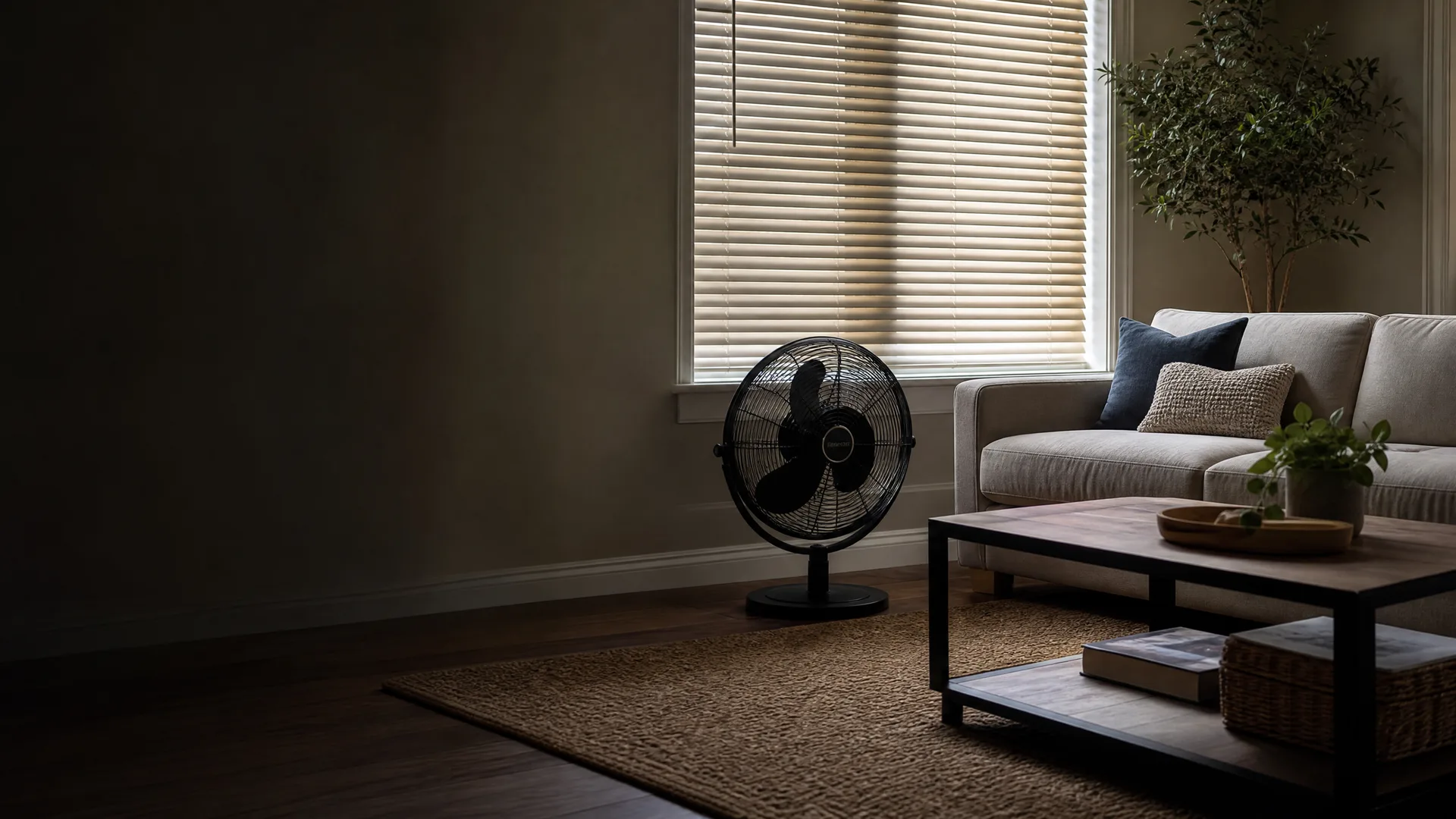
By three in the afternoon you've given up on the thermostat and pulled the blinds shut against the sun. The floor fan is running next to the couch, pointed at nobody in particular, just moving the warm air around. Outside it's pushing into the 90s with that thick DeSoto County humidity that makes the air feel heavier than the number says. You put your hand up to the vent and the air is barely cool, nothing like it should be. The dog's stretched out on the tile instead of the rug. You've stopped expecting the room to catch up and started just waiting it out.

A system that's low on refrigerant or choked by a dirty coil doesn't get better by running longer. It just keeps losing the fight, and the house keeps losing ground, especially once the afternoon heat sets in. The air at the vent tells you what's happening inside the unit. Warm air means something is keeping it from doing the one job it has.
You don't have to figure out whether it's the coil outside or the charge inside. That's a diagnosis, and it's not yours to make. What you can do is get matched with a contractor who works on systems like yours around DeSoto County, and let them take it from there. Once that's done, you're not the one tracking down who's available or whether they know what they're looking at. That part is off your plate.

Send the request today and stop worrying about who to call.
Asking costs nothing, and the choice to hire stays yours.