

Act now
Shut the AC off at the thermostat before more water spreads across the floor or the ceiling below it. A contractor can clear the line and get it running again.
A Rankin County pro who repairs air conditioners gets your request.
Find my proWater inside almost always means the condensate drain line is clogged or the drain pan has filled up and overflowed. Your AC pulls a lot of moisture out of the air during a Rankin County summer, and that water has to go somewhere. It runs off the evaporator coil into a pan, then down a small drain line, usually out near the condenser or into a utility drain. Algae and sludge build up inside that line over time and block it, especially when the system has been running hard for months straight. Once the line backs up, the pan overflows and water shows up around the indoor unit, on the ceiling below it, or dripping through a vent. Some systems have a float switch that should shut the unit off when this happens, but if that switch has failed or there isn't one, the leaking continues until something gets fixed. Left alone, it can mean water damage to the floor, ceiling, or the unit itself.
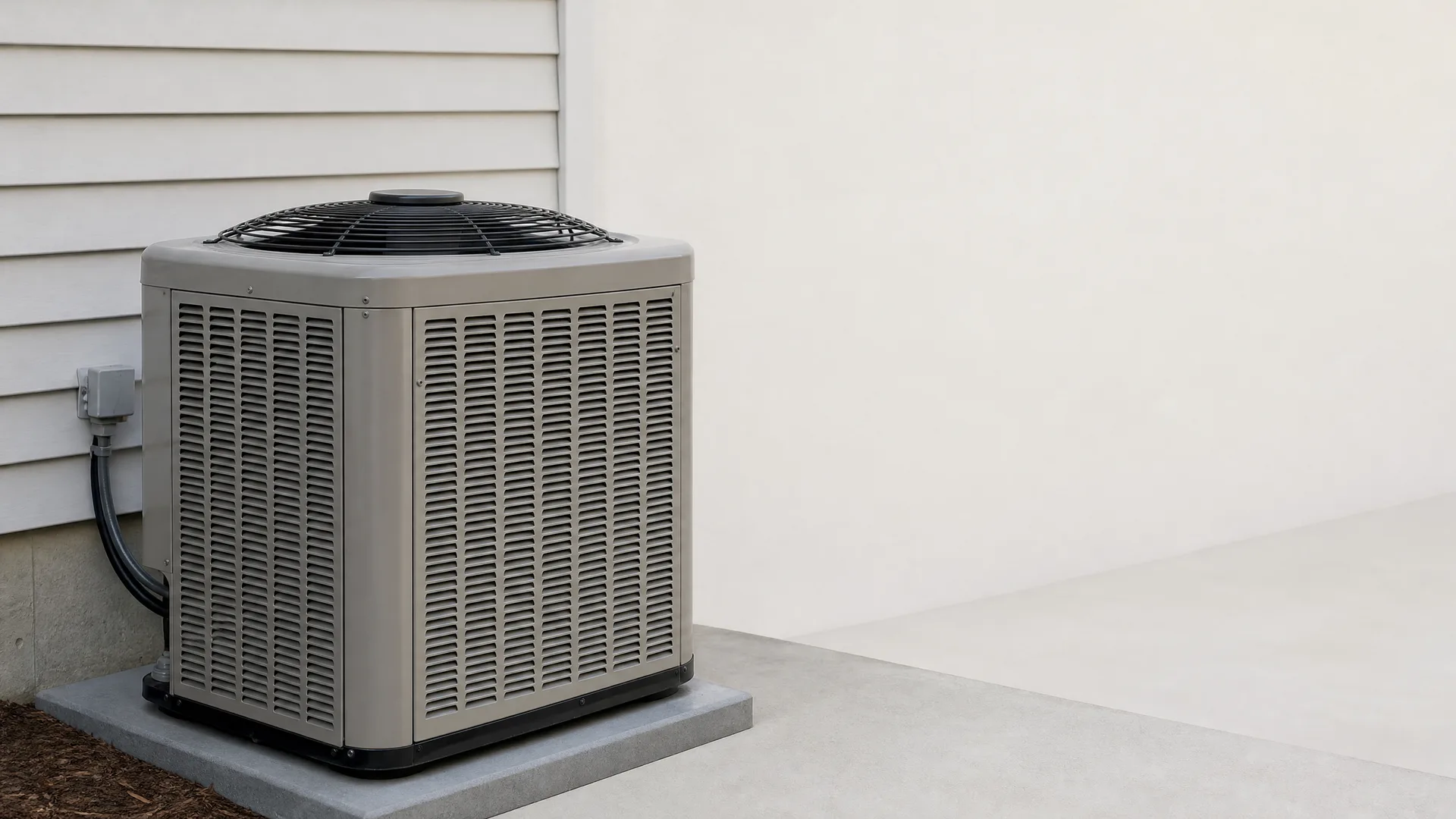
The evaporator coil sits inside the indoor unit and pulls moisture off the air passing over it. That water drips into a pan underneath, then down a drain line meant to carry it outside. In a Rankin County summer the coil is pulling moisture for months at a stretch, so a drain line with algae or sludge built up inside it has a lot of water to deal with before it finally backs up and spills over the pan.
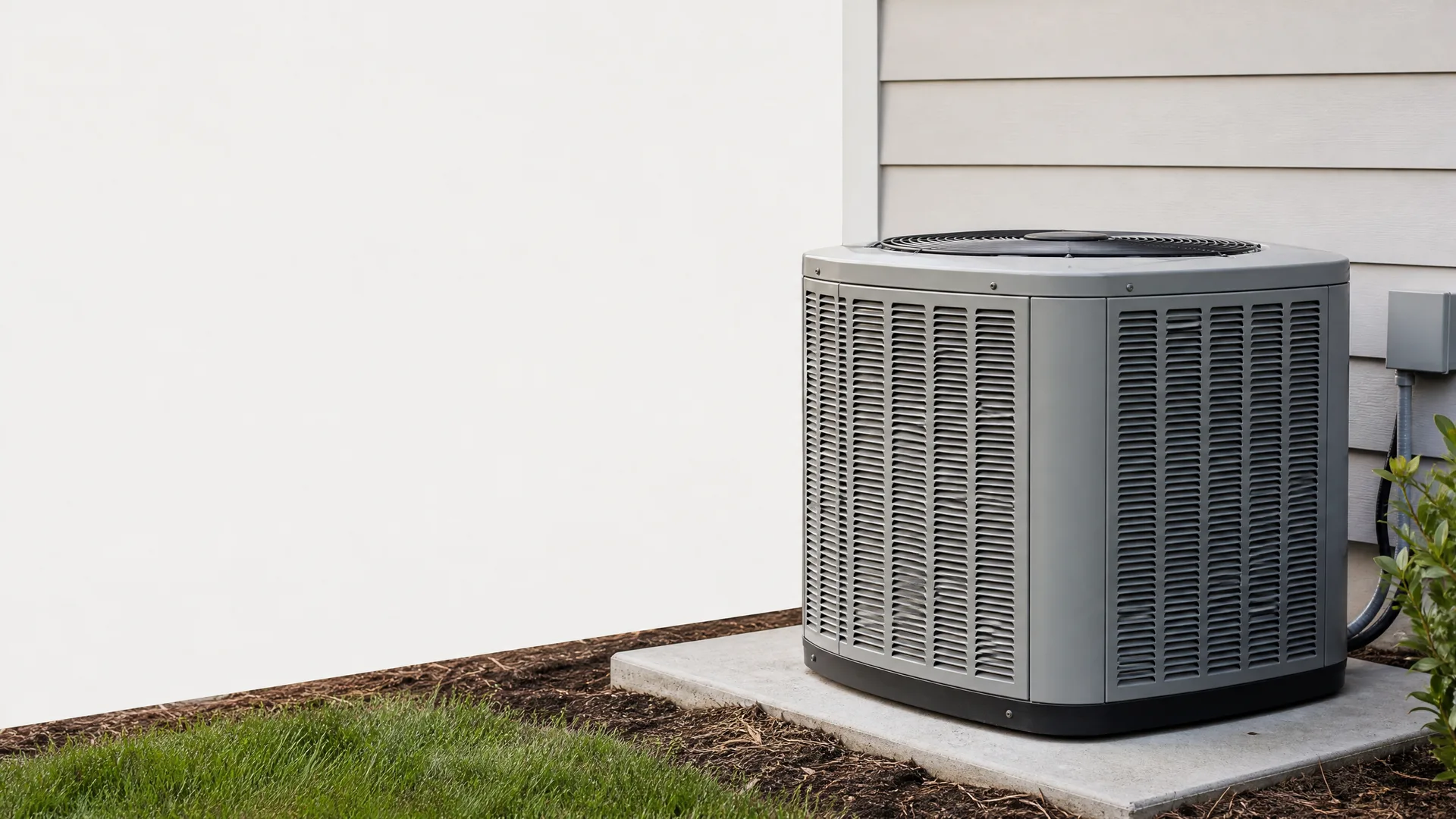
The drain pan is only a backstop. It catches what the line doesn't carry away, and it has limits. Once it fills, water finds the nearest way out, usually down through the ceiling or wall below the unit if it's in an attic, or across the floor if it's in a closet. A pan with a rusted-through spot or a crack won't hold water at all, even with a clear line.




Shut the AC off at the thermostat before more water spreads across the floor or the ceiling below it. A contractor can clear the line and get it running again.
Water can soak into subfloor or drywall and the pan can overflow again with every cycle, so the damage keeps adding up the longer it waits.
Why does my AC only leak water when it's really humid out?
On a drier day the evaporator coil pulls less moisture out of the air, so even a partly clogged drain line can still keep up and nothing spills. On a muggy Rankin County afternoon the coil is working harder and sending more water down to the pan, and a line that was already narrowed by algae or dirt can't move it fast enough. The pan fills, then overflows. It's not that the humidity causes the clog. The clog was likely already there, and humid weather is just the load that finally exposes it. A contractor can clear the line so it keeps up no matter how wet the air gets.
The blinds are drawn against the afternoon sun, but you can still feel it on the glass. It's past three and the floor fan is running next to the couch, pushing warm air around instead of cool. You noticed the carpet damp near the wall an hour ago and figured it would dry out on its own. It hasn't. Outside the Rankin County air is thick enough that just walking to the mailbox leaves you sweating, and somewhere behind that wall the drain line has stopped doing its job. You've already decided you're not spending another evening chasing this yourself. Tomorrow you want someone who does this for a living standing in your living room instead of you.
One form replaces the calls you'd make to find an air conditioner pro.
It costs nothing to send, and you don't have to hire anyone.

A unit like this, sitting out on its pad with clear airflow on all sides, is doing what it should. Air moves through the coil fins unblocked, the coil pulls moisture out at a steady rate, and the drain line carries that water away as fast as it collects.

Dust and debris packed into the coil guards like this choke off airflow across the coil. The coil can get cold enough to ice over, and when it thaws, more water hits the pan at once than the drain line can carry out, so it backs up and overflows.

Water from an overflowing pan doesn't stay in one spot. It spreads along the floor, soaks into carpet or subfloor, and if the indoor unit sits in a closet or attic above living space, it can come through the ceiling below. The longer the line stays clogged, the more of your house it reaches. Drywall holds water and stays soft. Wood floors cup and warp. None of that reverses itself once the AC is off and the leak is found.
You don't have to spend the evening calling around to get this looked at. Pearl has contractors who deal with clogged drain lines and overflowing pans all summer long, and you can be matched with one who takes on jobs like yours without you sorting through quotes yourself. They'll reach out and take it from there.


A Rankin County summer holds a dew point around 70°F on average across June, July and August, according to NOAA climate data. That's heavy, sticky air, the kind that makes a shirt stick to your back on the porch. Your AC has to pull more water out of that air to get your house comfortable, which means more water running through the drain line and into the pan all summer long. A line that drains fine in a mild spell can fall behind once the air turns this wet, and that's when the pan fills and the overflow shows up on your floor or ceiling.
NASA POWER T2MDEW


Humid air crosses the evaporator coil and gives up its moisture.
Water collects as droplets and runs down into the drain pan.
The pan channels water into the condensate drain line.
The line carries water out to a drain point outside.
Look near the indoor unit first, whether that's a closet, an attic access, or a utility room. A damp or warped spot on the floor right below it is usually the first thing people notice. Sometimes it shows up as a stain spreading across the ceiling if the unit sits above a room you use every day. You might hear a faint drip before you see anything, or notice the carpet nearby feels soft and wet underfoot. If this sits for even a day or two in Rankin County's humidity, that moisture doesn't dry out on its own. It can warp flooring, stain drywall, and start mold growing in places you won't see until it's spread.


Six months of cooling a year means six months where that drain line has to keep up. Every May through October, your AC is pulling moisture out of thick, humid air almost every day, and a line that's slow to clog gets more chances to do it when the air is this wet.
NOAA nClimDiv 1991-2020
Water on the floor near your indoor unit has one of two causes. Either the condensate drain line is clogged somewhere along its run, or the pan underneath the coil has filled past what it can hold and is spilling over the side. Both come back to the same job: get the water moving out of the house again instead of into it. That means finding where the line is blocked, clearing it, and checking that the pan itself isn't cracked or sitting at the wrong angle to drain the way it should. It's not a guessing job. A shop vac on the outside end of the line might pull a clog free, or it might not, and you won't know until water shows up again next week. A contractor working the problem from the air handler can see where the blockage actually sits and clear it there. With the line clear and the pan draining the way it's built to, the unit goes back to handling what a Rankin County summer asks of it, pulling moisture out of thick air for months at a stretch without water backing up into your house. Getting to that point usually means calling a few contractors, explaining the leak and where it's showing up each time, then sitting with quotes trying to tell them apart. Matching with a contractor through this page means you explain it once, to someone who already knows you're dealing with a leak and needs to see the unit to fix it.
Describe what your air conditioner is doing once, in one form.